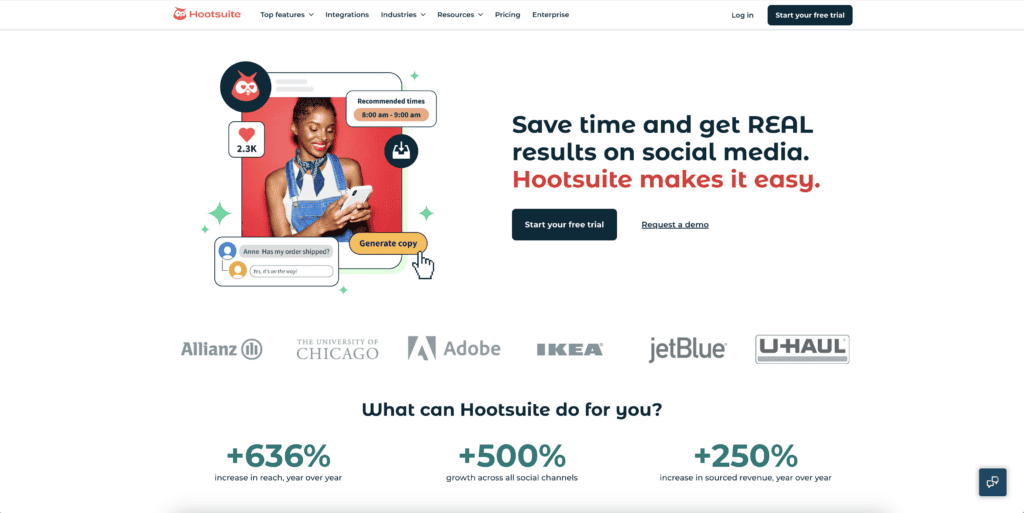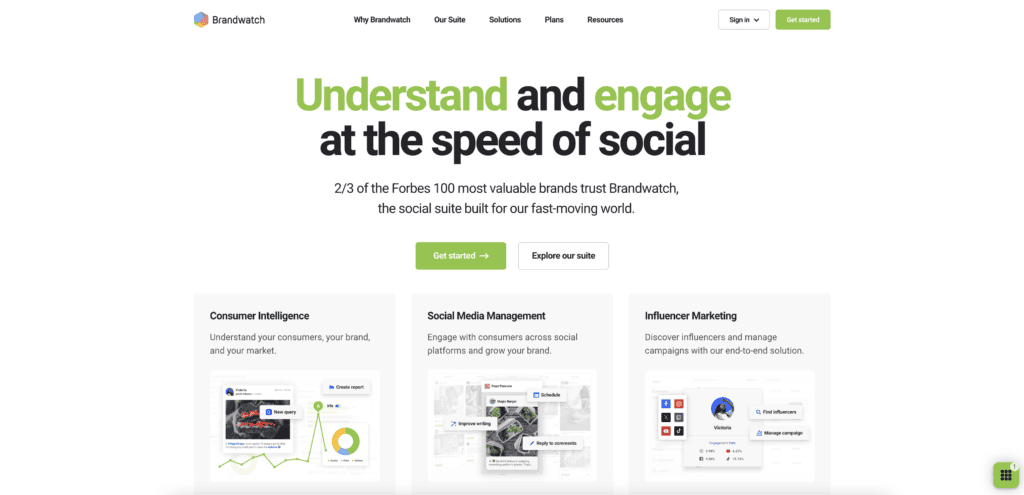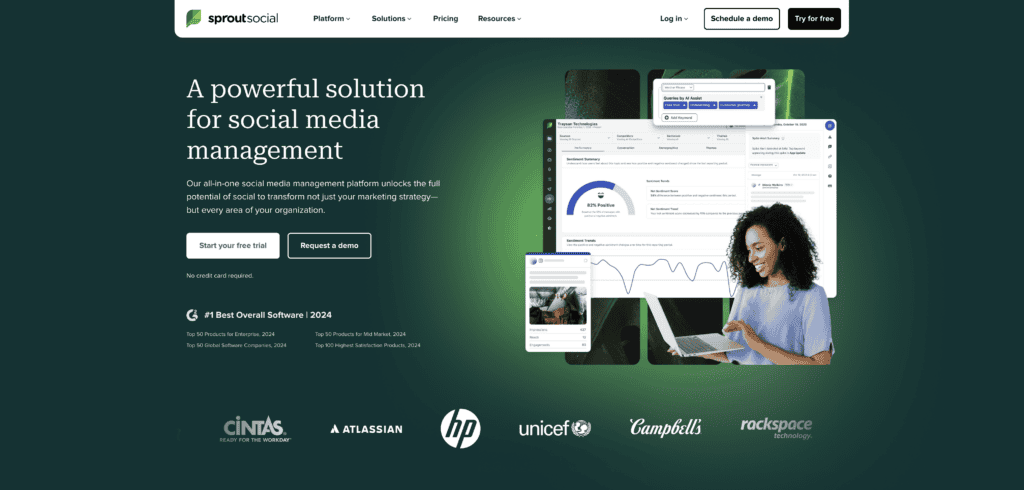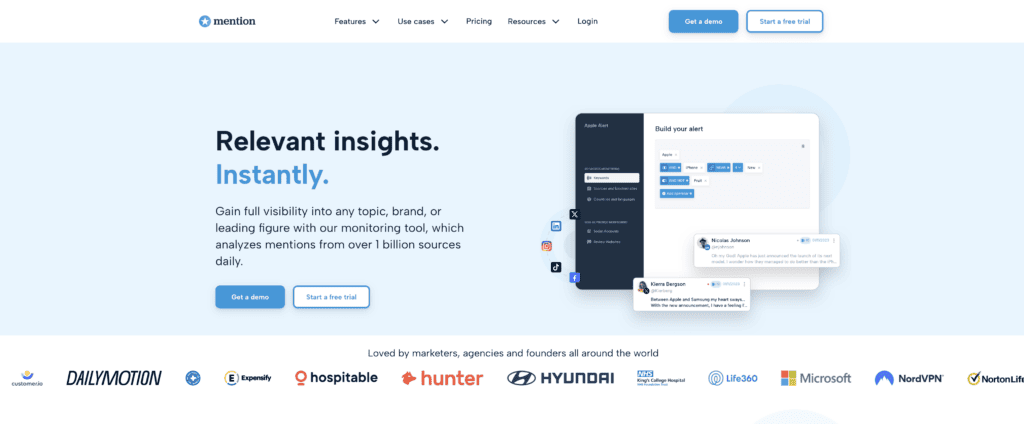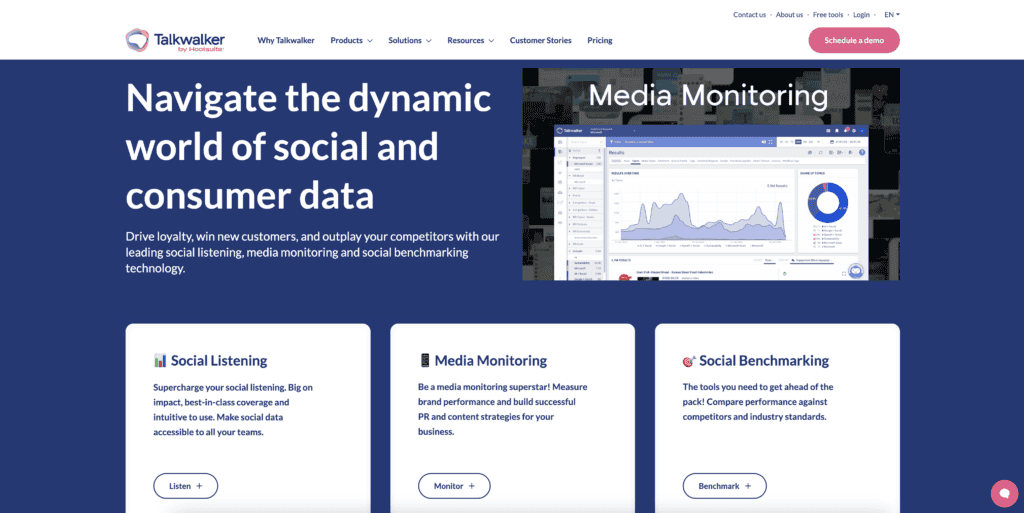
As its name might suggest, social media monitoring is all about monitoring content and engagement across social media platforms. It might seem self-explanatory, but what does it look like in practice? Essentially, it comes down to tracking and analysing data and engaging and interacting with followers. There are a variety of specialised tools and techniques on the market that can help brands and individuals to gather data on ‘mentions’ of specific keywords, hashtags, or accounts to then provide insights into key data such as reach and interaction with their page. Not only does monitoring offer these insights, but it helps provide understanding on public perception, spotting trends, as well as measuring the impact of social media activities and strategies.
As already mentioned, there are a variety of benefits of social media monitoring, including, but not limited to, the following:
- Reputation management: By monitoring social media, individuals/ businesses can quickly address negative comments or misinformation to help maintain a positive public image.
- Customer insights: Accounts can gain valuable insights into customer preferences and behaviours, which in turn can inform their marketing strategies to be more targeted.
- Competitive analysis: Monitoring competitors’ social media activities helps brands/individuals to stay informed about market trends and competitor strategies.
- Crisis management: Early detection of potential crises allows for a swift response to prevent it taking on momentum.
- Engagement opportunities: Engaging with customers and followers in real-time enhances relationships and builds a loyal community.
- Content improvement: Feedback gathered from social media monitoring can help to inform content strategies – making them more effective and relevant.
- Personal branding: For individuals, monitoring social media can help manage personal reputation and connect with influential networks.