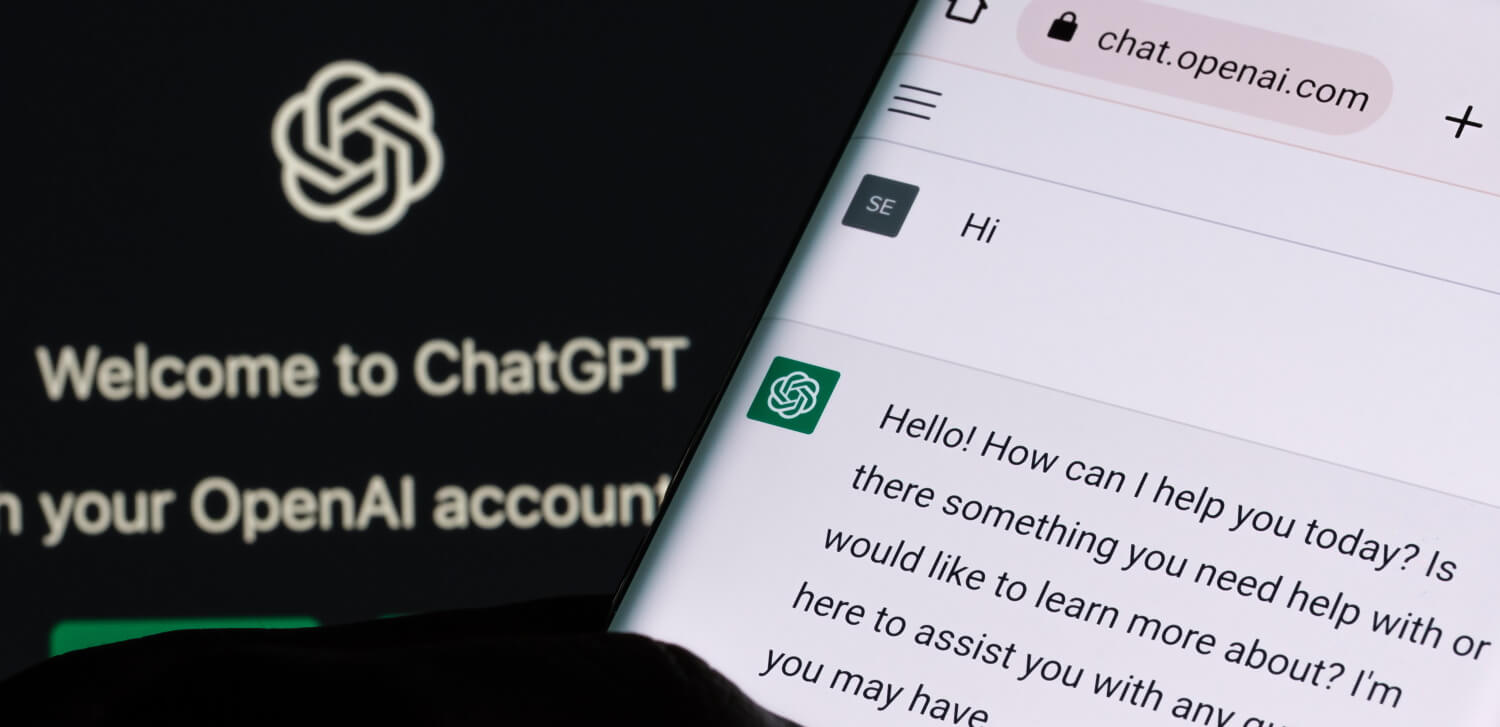
ChatGPT is particularly exciting for marketers due to its immense capability as a research tool, stemming from the wealth of data it absorbed during development. Creative collaboration is at the heart of any form of digital marketing – however, burnout is a tangible thing! In the instances where multiple social media managers cannot feasibly all be in the room to bounce ideas off each other, or are suffering from pesky ‘writer’s block’, ChatGPT can save the day.
Many are concerned that the evolution of ChatGPT could render content writers ‘useless’ – yet, whilst it is certainly capable of doing so, the system does not necessarily need to create finalised content pieces. On the contrary, there are numerous examples of ChatGPT actively collaborating with content writers and social media teams, providing creative briefs and skeleton content as a helpful starting point. In particular, ChatGPT’s expertise from the data they have garnered across the digital sphere allows them to establish core messaging, tailor content to suit the client’s preferred tone of voice, and provide ‘out-of-the-box’ ideas that you or I may not have ever brainstormed!
What’s more, ChatGPT can help grow your social media accounts simply through its time efficiency. Your dedicated social media team can prioritise social media strategy and engagement, whilst your friendly resident robot churns out content at record speeds!
Social media revolves around communication. Therefore, it is unsurprising that experts are claiming that ChatGPT is a worthy addition to your team. Its ability to create valuable content specifically tailored to your end user means two things: more engagement, and a higher rate of follower growth. Followers want to engage with content that speaks to them, and ChatGPT is specifically designed to do so.
On the other hand, many argue that no amount of digital data can replicate a ‘personal touch’. Whilst some believe that ChatGPT is best aligned to communicate with end users, others claim that the content which resonates most is intrinsically human. For example, new AI systems are unlikely to capture lived experience in their content; relatable content is shown to perform the best across all social media channels, and this can be achieved through real-life anecdotes and shared human values. The real question is: can AI truly relate to us?